Image credit: Image via Source article. Used under fair use for news commentary. · source
Two years. That's how long Apple investors have been waiting for the company to make a real move in AI. Two years of watching OpenAI dominate headlines, Google scramble to integrate Gemini into everything, and Microsoft basically become an AI company overnight. Two years of Apple saying, essentially, "trust us, we're working on it."
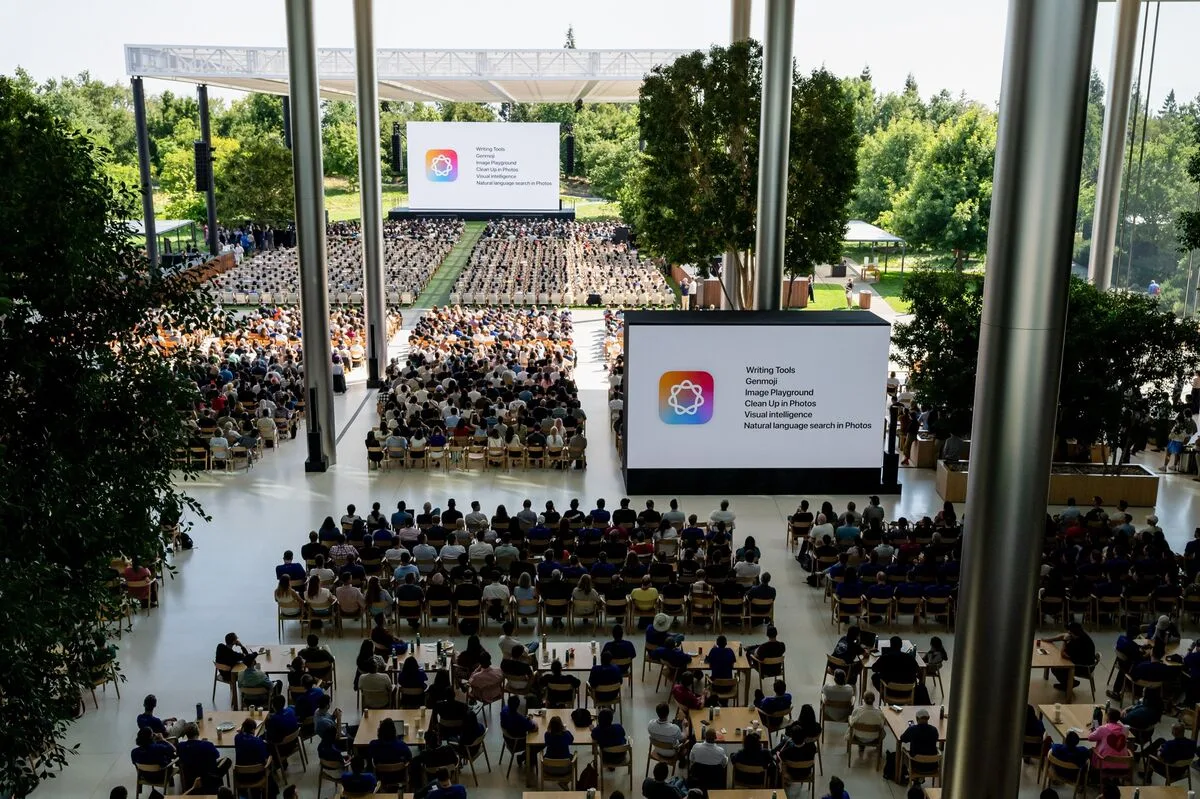
Well, WWDC 2026 just happened. And Apple finally showed its hand.
The company debuted what it's calling its "next-generation AI platform," which includes a major update to Siri. I should be more specific here, but honestly, the details are still filtering out. What we know is that this is Apple's attempt to catch up with its Silicon Valley peers in what Bloomberg called "a critical market."
That phrasing is interesting to me. "Catch up." Not "lead." Not "redefine." Catch up.
For a company that built its brand on being first (or at least on making you think it was first), that's a notable shift in how the tech press is framing this. Apple isn't setting the agenda anymore. It's responding to it.
You might be wondering why this took so long. Apple isn't exactly short on cash or engineering talent. The company could have thrown billions at this problem years ago.
Related coverage
More in AI Models
Researchers tackle two of the biggest blockers for vision-language-action models in production: unsafe navigation around people, and inference speeds too slow for real-time control.
James Chen · 4 hours ago · 6 min
Super Micro Computer's plan to raise $7 billion through equity offerings to stock up on AI server components says something interesting about where the industry thinks this is all heading.
Sarah Williams · 6 hours ago · 5 min
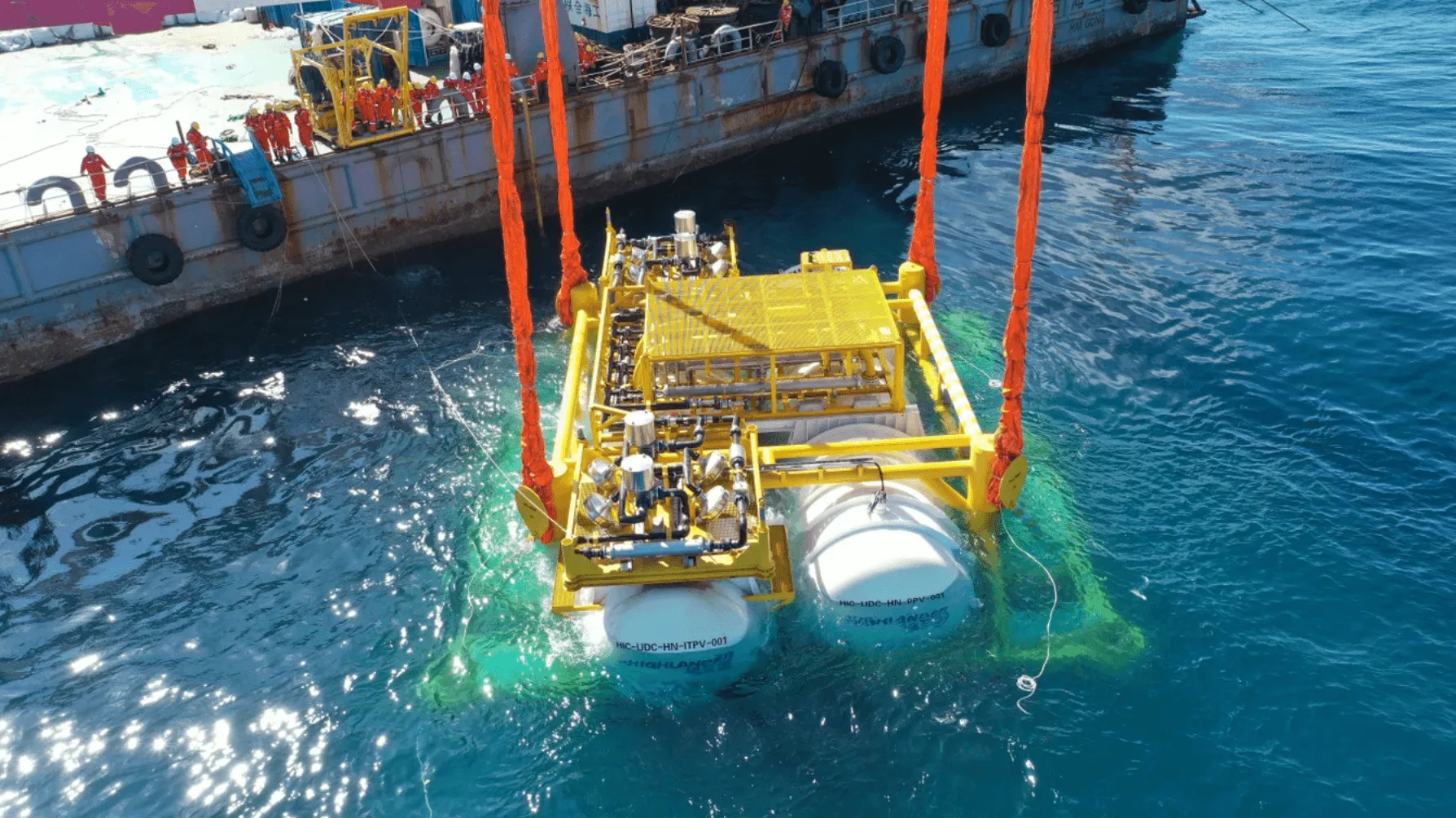
Two stories about data center infrastructure landed this week, and together they say something uncomfortable about where AI's energy appetite is taking us.
Aisha Patel · 9 hours ago · 8 min
I initially thought this was just Apple being Apple, doing its usual "we ship when it's ready" routine. But after reading through the investor commentary, I think the picture is more complicated. According to Bloomberg's earlier reporting, investors have been "clamoring" for Apple to make a splash in AI. That's not gentle encouragement. That's pressure.
And pressure from investors creates a weird dynamic for a company like Apple. They've historically been able to ignore Wall Street's short-term demands because, well, their products print money. But AI is different. This isn't a feature request. It's an existential question about whether the iPhone remains the center of people's digital lives.
The stakes are higher than a product cycle. If AI assistants get good enough, and if they live primarily in the cloud rather than on-device, does it matter whose hardware you're holding? That's the question Apple has to answer, and tbh, I'm not sure they've answered it yet.
Here's where I have to be honest about the limits of what we're working with. Apple announced a next-generation AI platform. Great. But:
How does the new Siri actually compare to ChatGPT or Gemini? We don't have benchmarks.
What's happening on-device versus in the cloud? Apple's privacy pitch has always been about local processing, but the most capable AI models require massive compute.
When does this actually ship to users? WWDC announcements and shipping products are different things.
It's too early to say whether this is a genuine leap forward or a well-marketed incremental update. Apple is very good at making incremental updates feel revolutionary. (Remember when they added widgets to iOS and acted like they'd invented the concept?)
Okay, so this is where I'm going to go slightly off-script, because this is what I actually care about.
Apple's AI announcement is framed entirely around software. Siri. The platform. Developer tools. But the most interesting AI work happening right now isn't just about chatbots. It's about AI that interacts with the physical world. Robotics. Embodied systems. Things that move.
Apple has flirted with this space before. The rumored car project (RIP). The Vision Pro, which is sort of embodied in the sense that it exists in physical space. But they've never committed to it the way they've committed to, say, wearables.
I think this matters for the AI story because the companies that figure out embodied AI will have a massive advantage. If your AI can actually do things in the real world (not just answer questions), that's a different product category entirely. And right now, Apple isn't playing in that space.
Maybe that's fine. Maybe Apple's strategy is to nail the software layer and let others build the hardware. But that's a very un-Apple approach. They've always wanted to control the whole stack.
Look, I don't want to be too cynical here. Apple making a serious investment in AI is good for the industry. Competition is good. And Apple's focus on privacy (assuming they maintain it) could offer a genuine alternative to the "we'll train our models on everything you do" approach that other companies have taken.
But I'm also not going to pretend this is some kind of paradigm... actually, let me rephrase that. I'm not going to pretend this changes everything overnight. Apple is playing catch-up. They said so themselves, basically.
The question now is whether catching up is enough, or whether the AI race has already moved on to problems Apple isn't even working on yet.
I should know this better, but I don't think anyone has a clear answer. The AI landscape is moving so fast that being two years behind might mean being permanently behind, or it might mean nothing at all if the technology commoditizes. We genuinely don't know.
What I do know is that investors got what they wanted: Apple finally made a splash. Whether that splash turns into a wave remains unclear.