OpenAI's 'Patch the Planet' Wants AI to Fix Open-Source Security at Scale
OpenAI is deploying GPT-5.5-Cyber and a new initiative called Patch the Planet to automatically find and fix vulnerabilities in open-source software. The ambition is real. The execution questions are bigger.
Image credit: Image via WIRED — AI. Used under fair use for news commentary. · source
Over 90% of the world's software stacks run on open-source components, and a significant chunk of those components have unpatched vulnerabilities sitting in them right now. That's the problem OpenAI is swinging at with its new "Patch the Planet" initiative, announced this week as part of a broader Daybreak security push.
The initiative pairs an improved AI model, GPT-5.5-Cyber, with a workflow designed to help open-source maintainers find, validate, and fix security vulnerabilities faster than any human-only triage process could manage. According to the OpenAI Blog, the system doesn't just flag bugs; it proposes patches and routes them through expert review before anything gets merged. That last part matters. Automated patch generation without human sign-off is how you turn one vulnerability into several.
What Does Daybreak Actually Ship?
Daybreak is the umbrella. Under it, OpenAI is releasing two things worth paying attention to.
First, Codex Security, a tool aimed at helping organizations scan their own codebases for vulnerabilities at scale. Second, GPT-5.5-Cyber, an updated model specifically tuned for security tasks. WIRED reports this is partly a competitive move, positioning OpenAI against Anthropic's growing reputation in the safety and security space.
Related coverage
More in AI Models
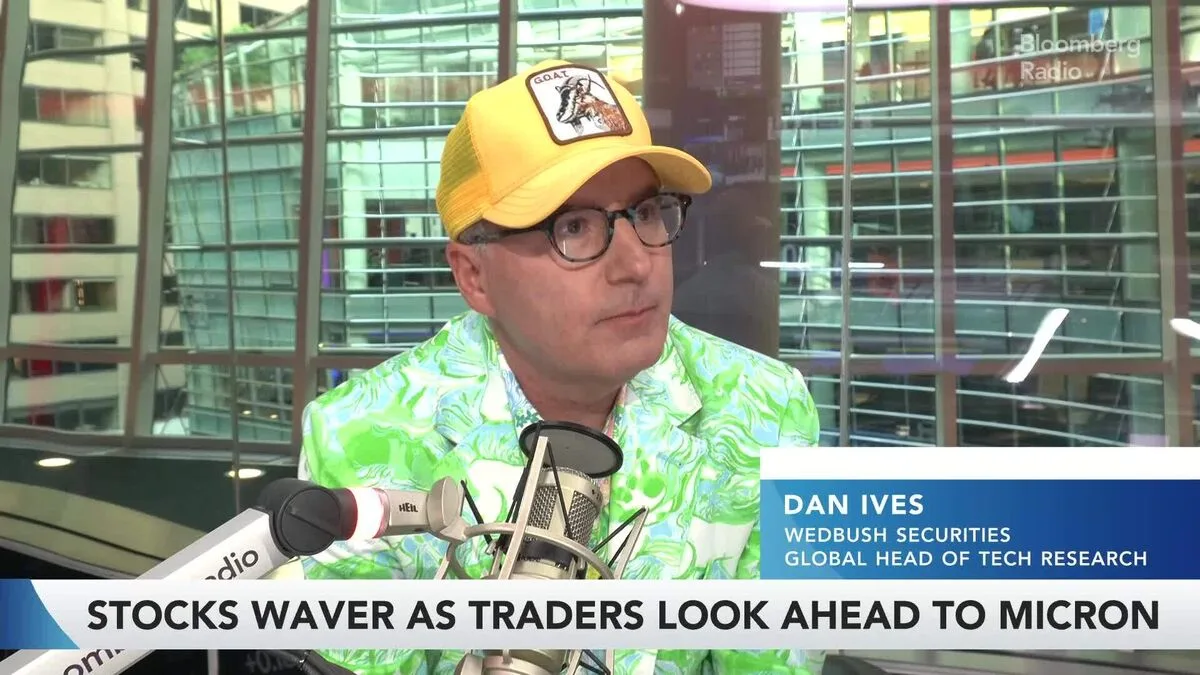
Chipmakers swung wildly this week, from a Tuesday 'chip-wreck' to a Micron-led surge after hours. What's actually going on with AI's hardware backbone?
Sarah Williams · 26 Jun · 5 min
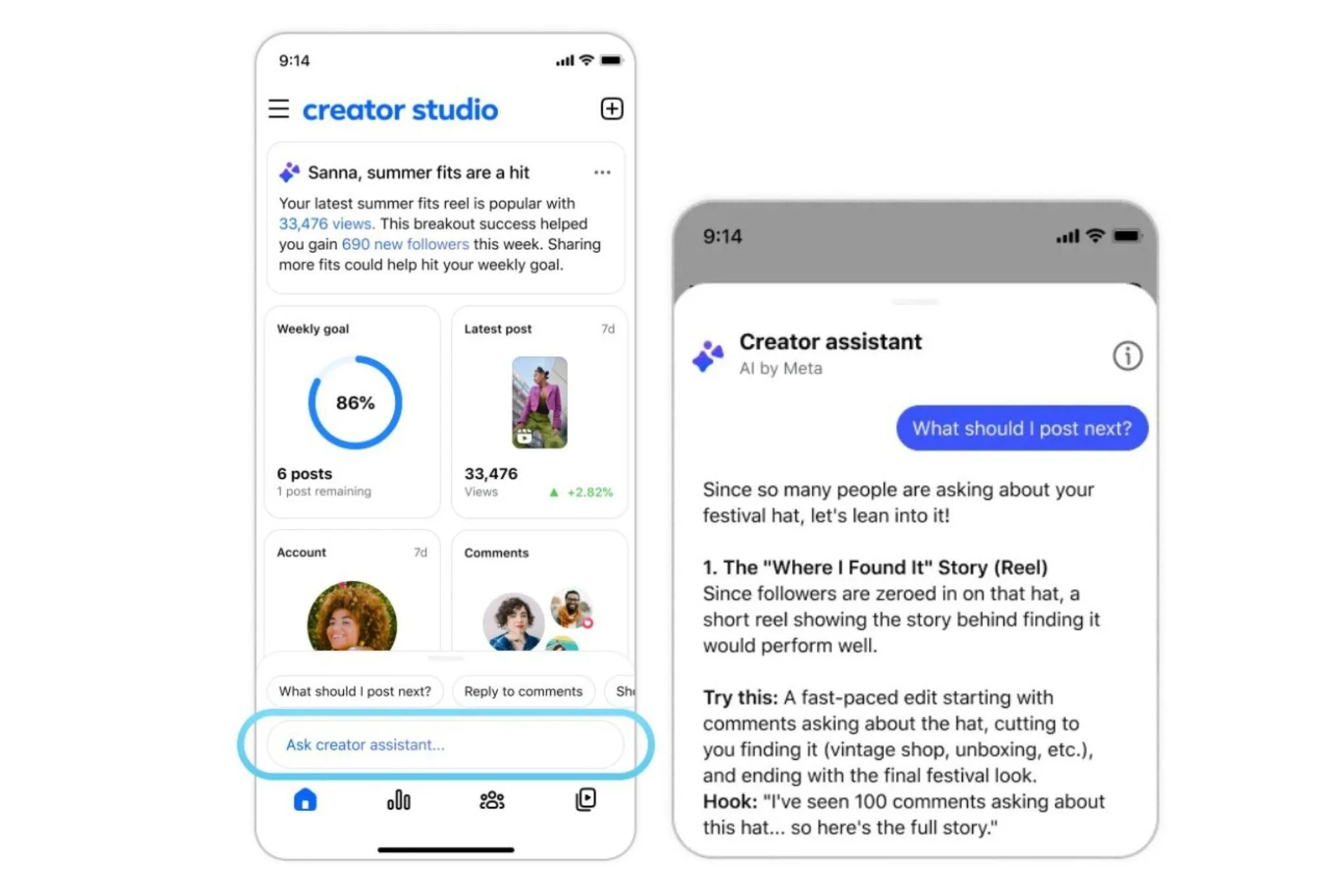
The original Creator Studio was shut down in 2023. Now it's back, rebuilt around an AI assistant that promises to grow your audience and reply to comments in your voice.
Sarah Williams · 26 Jun · 5 min
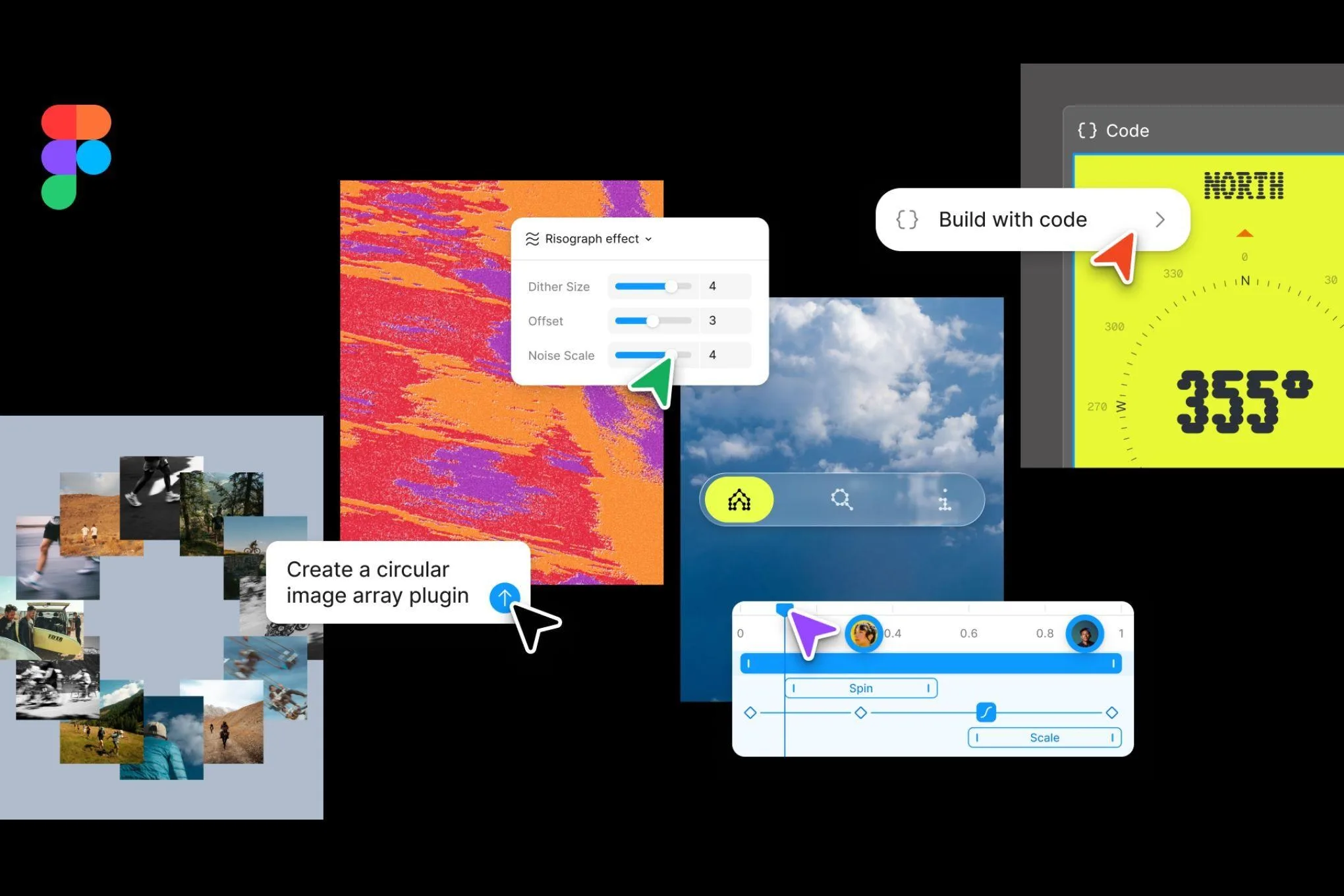
At its annual Config conference, Figma announced coding layers, AI-generated motion graphics, and a reimagined canvas that blurs the line between design and full-stack development.
Sarah Williams · 26 Jun · 5 min
Everyone talks about chips and models. The memory bottleneck is the part of the AI buildout that keeps getting underestimated, and Micron's latest earnings make that case hard to ignore.