The SpaceX-Google Deal Everyone's Misreading
A $30 billion cloud computing agreement isn't really about cloud computing. It's about something weirder.
Image credit: Image via Source article. Used under fair use for news commentary. · source
Most coverage of the SpaceX-Google deal has focused on the eye-popping number: $920 million per month, roughly $30 billion through mid-2029. Headlines are calling it a "cloud services deal," which is technically accurate and also sort of misses the point.
You might be wondering why SpaceX, an aerospace company, is selling computing power to Google, a company that literally invented modern cloud infrastructure. I was too. And honestly, after digging into this, I think the framing matters more than the dollar amount.
What's Actually Happening Here
Let's back up. SpaceX has been building out computing infrastructure for years, initially to support Starlink operations. Tens of thousands of satellites generating telemetry data, processing user traffic, running machine learning models for network optimization. That requires serious compute. But here's the thing: satellite ground stations are already distributed globally in ways that traditional data centers aren't.
So when Bloomberg reports Google is buying computing from SpaceX, I initially thought this was just overflow capacity. Big tech companies do this all the time. AWS buys from Azure, everyone trades resources during peak loads, whatever.
But $920 million monthly isn't overflow. That's strategic.
The more likely explanation (and I should be clear, neither company has elaborated beyond the filing) is that Google wants access to SpaceX's edge compute network. The locations where Starlink ground stations sit. The low-latency pathways that come from having infrastructure in places traditional cloud providers don't.
Related coverage
More in AI Models
Researchers tackle two of the biggest blockers for vision-language-action models in production: unsafe navigation around people, and inference speeds too slow for real-time control.
James Chen · 4 hours ago · 6 min
Super Micro Computer's plan to raise $7 billion through equity offerings to stock up on AI server components says something interesting about where the industry thinks this is all heading.
Sarah Williams · 6 hours ago · 5 min
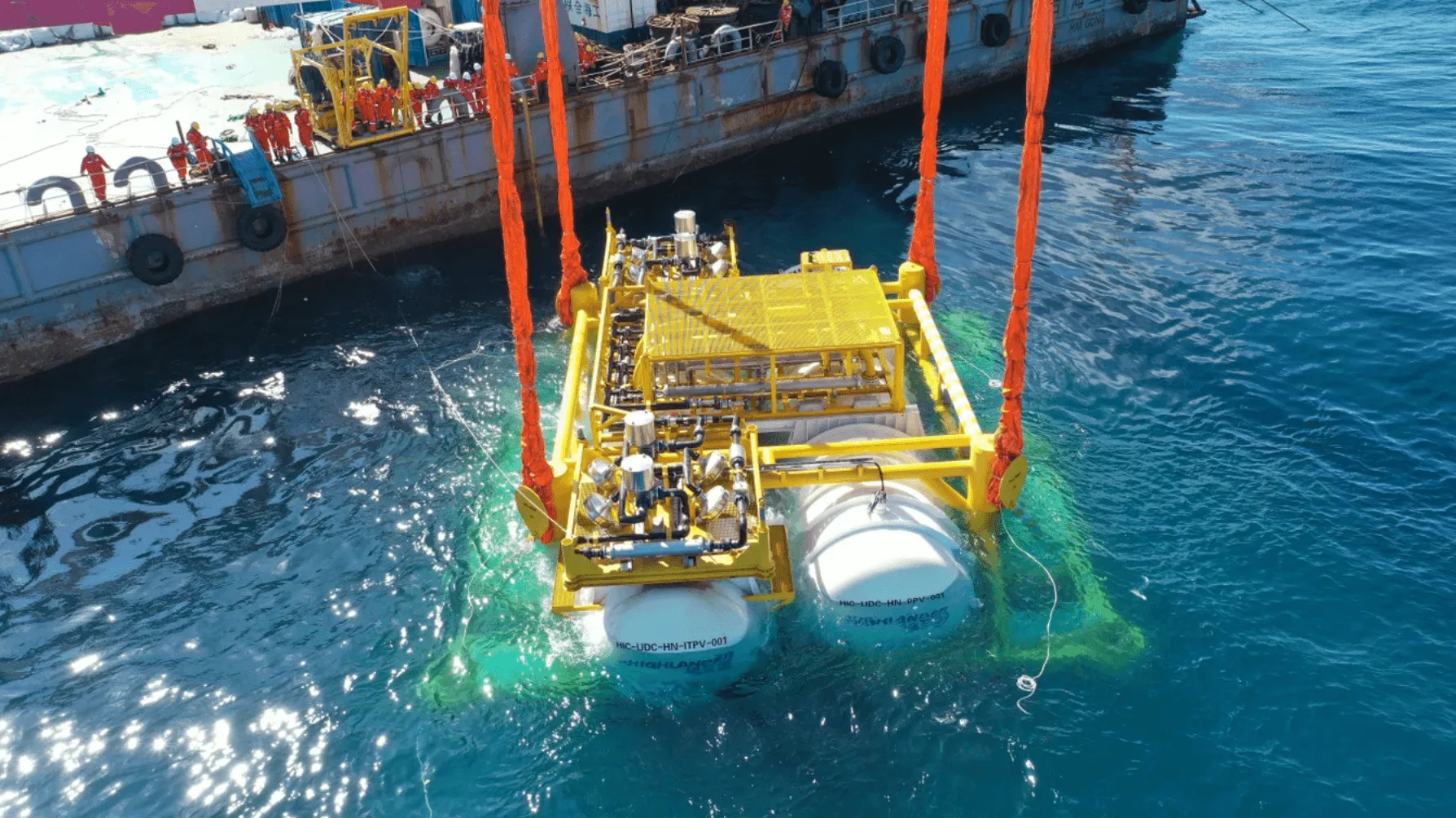
Two stories about data center infrastructure landed this week, and together they say something uncomfortable about where AI's energy appetite is taking us.
Aisha Patel · 9 hours ago · 8 min