Brain-Computer Interfaces Aren't Just Medical Tech Anymore, and That Should Matter to Robotics
Everyone's covering BCI as a healthcare story, but the real disruption is coming for industrial control systems.
Image credit: Image via Source article. Used under fair use for news commentary. · source
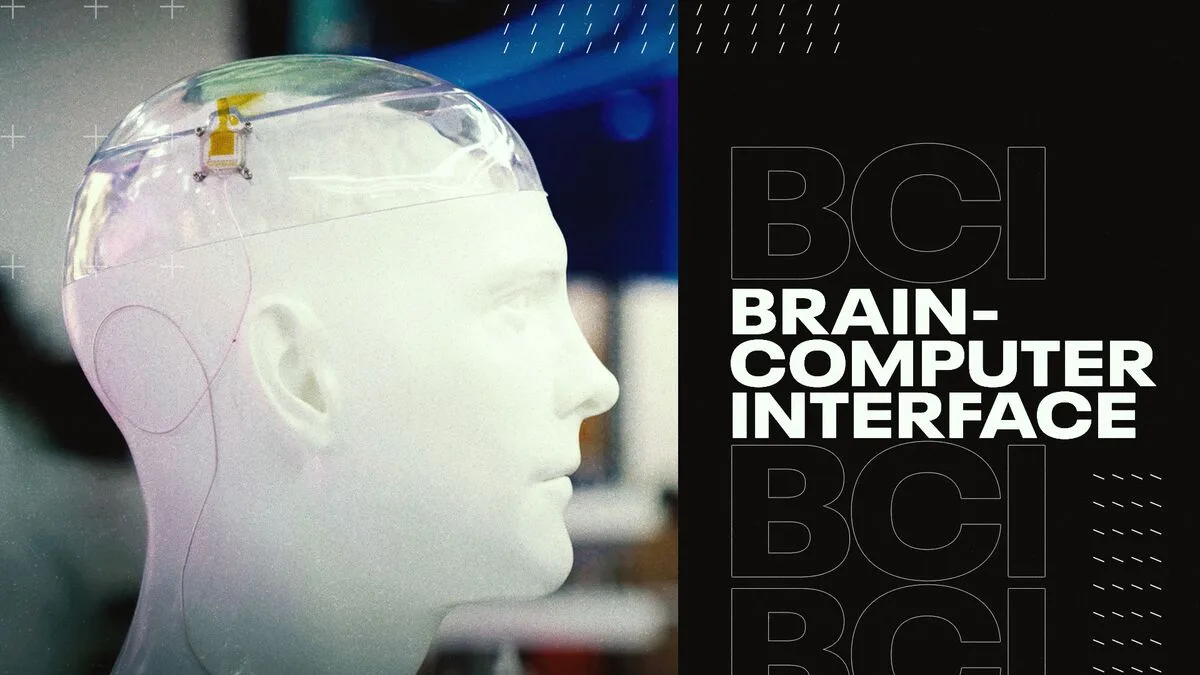
Most of the coverage I've seen on brain-computer interfaces this week treats it like a medical device story. FDA approvals, clinical trials, patients regaining motor function. All important, sure. But I think the robotics industry is sleepwalking into something much bigger here.
Bloomberg ran a piece calling BCIs "a new human-machine reality," and for once the headline isn't overselling it. They also published footage from inside a Chinese BCI startup that's apparently ahead of most Western competitors on commercialisation timelines. That second part got buried in the tech press, which tells you something about where people's attention is.
Look, here's the thing. When I was at Kuka, we spent years trying to make robot programming more intuitive. Teach pendants, offline simulation, eventually some gesture recognition stuff that never really worked outside the lab. The fundamental problem was always the same: getting human intent into the machine without a massive translation layer in between.
What This Actually Means for Industrial Control
I called my old colleague at Siemens last week, guy named Werner who's been in automation controls since the 80s. He's been tracking BCI developments for about three years now, and his take surprised me. He thinks we're maybe five to seven years from seeing non-invasive BCI headsets used in industrial settings. Not for surgery, not for paralysis patients. For machine operators.
Related coverage
More in Industrial
Two new papers on robotic fault tolerance got some attention this week. Most writeups missed the point entirely, and as someone who spent years watching robots fail in ways nobody planned for, that bothers me.
Robert "Bob" Macintosh · 1 hour ago · 5 min
A cluster of arXiv preprints published this week attack the same core problem: robots that look competent in the lab but fall apart when conditions change.
James Chen · 1 hour ago · 6 min
Taiwan's BizLink just agreed to buy Blackstone's Interplex Datacom unit for $850 million, and if you're not paying attention to connector supply chains, you probably should be.
Robert "Bob" Macintosh · 5 hours ago · 4 min