SpaceX Has Lost Hundreds of Billions in Market Value Over Three Days. Here's Why I'm Watching Closely.
The SpaceX share slide isn't my usual beat, but when a company that size starts rattling, the ripple effects reach further than most people think.
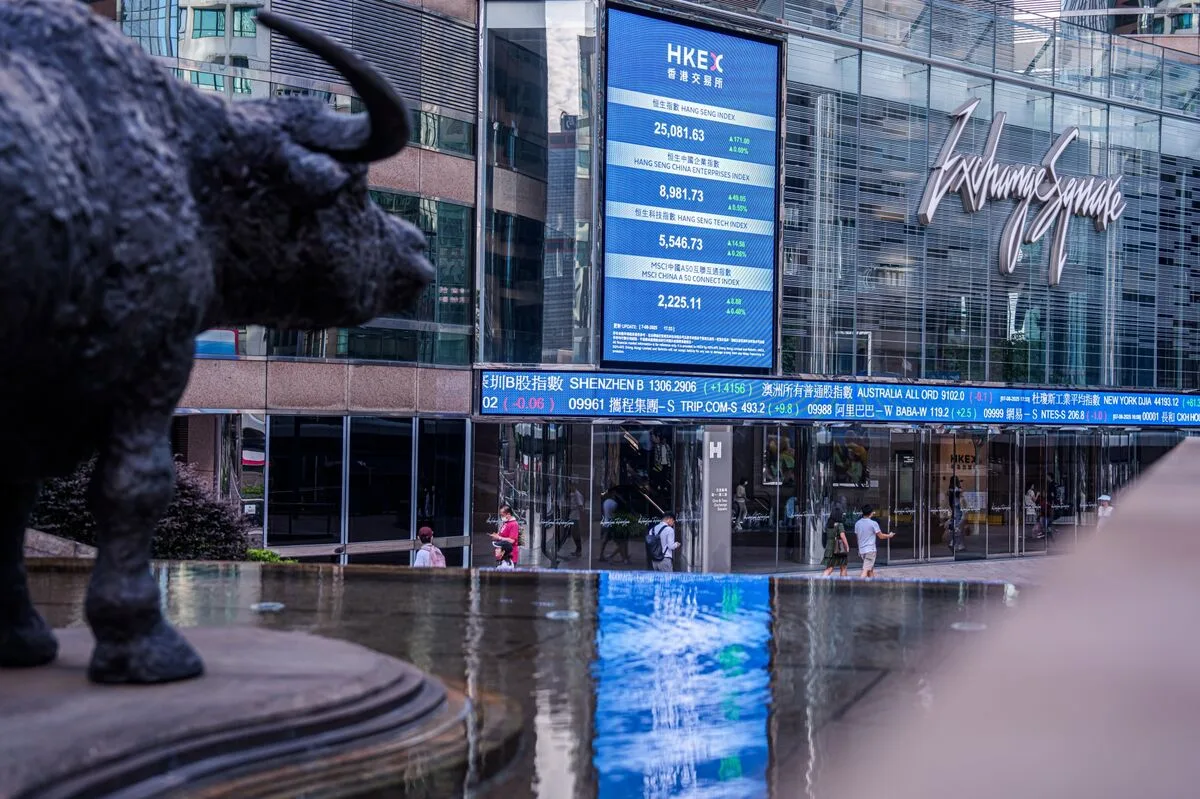
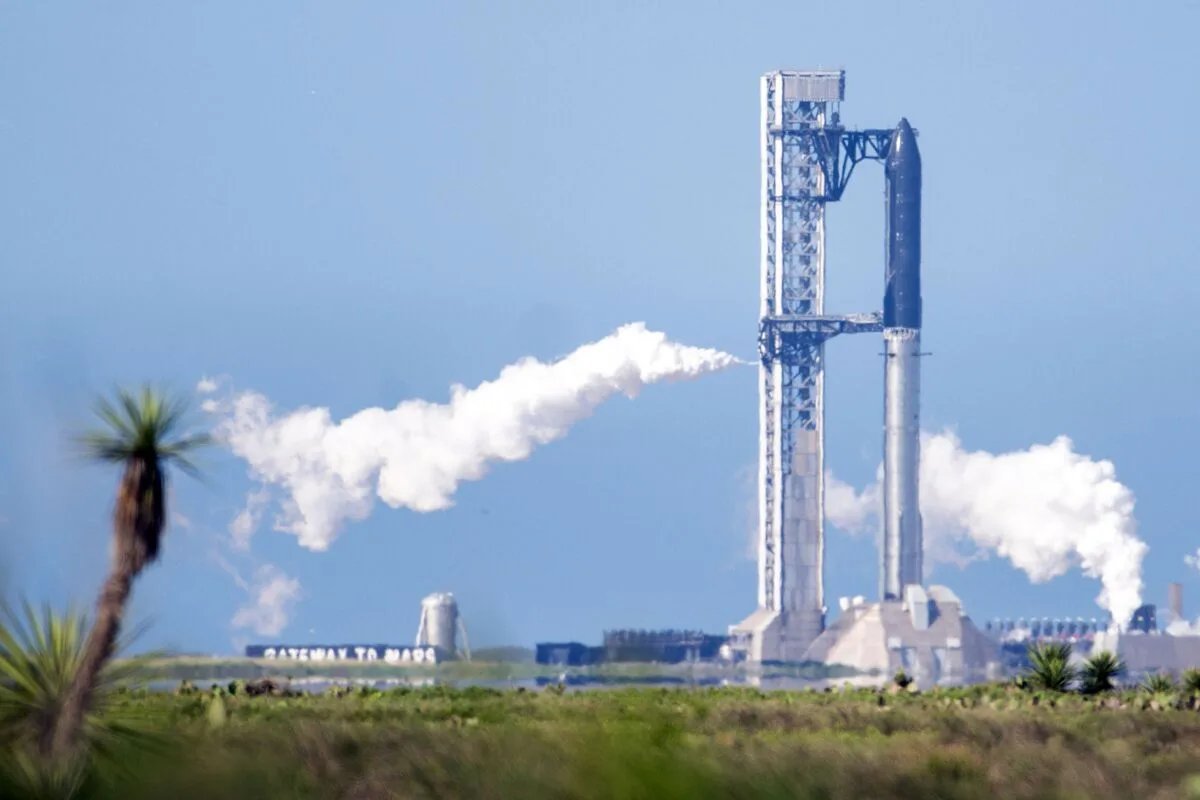
Image credit: Image via Bloomberg — Technology. Used under fair use for news commentary. · source
Hundreds of billions. Gone in three trading days. That's the number that made me put down my coffee on Monday morning.
Look, I'll be honest, SpaceX isn't normally something I'd write about. Rockets aren't robots, and Elon's various enterprises get more column inches than they probably deserve already. But I've been in industrial automation long enough to know that when a company with SpaceX's capital footprint starts bleeding market value, you pay attention, because the money has to go somewhere, and it usually comes from somewhere too.
Bloomberg reported Monday that shares fell as much as 4.6% in premarket trading, putting the stock on pace for a third consecutive loss after markets reopened following a public holiday. Then on Tuesday, Bloomberg followed up to confirm the slide had continued, with the company simultaneously announcing it's selling investment-grade bonds for the first time. That bond issuance detail is the part that caught my eye.
When a company the size of SpaceX moves into investment-grade debt markets, it's a signal. Could be growth financing, could be liquidity management, could be something else entirely. It's too early to say which, and frankly I only have two sources on this so far, so I'm not going to pretend I have the full picture. But the timing, three days of share price pressure coinciding with a first-ever bond offering, that's the kind of thing that makes old engineers like me sit up and think.
Here's where this connects to my actual beat. SpaceX has been one of the louder voices in the autonomous systems and robotics investment space over the last couple of years, and the Optimus-adjacent conversations around humanoid robots have pulled serious capital toward the whole sector. When I was at Kuka, we used to joke that the aerospace guys always showed up to automation conferences thinking they could solve in six months what we'd spent a decade on. Sometimes they were right. Sometimes they burned a lot of money finding out they weren't. The point is, capital flows between these sectors in ways that aren't always obvious until they're not flowing anymore.
Related coverage
More in Industrial
The Apple supplier priced its shares at the maximum and still had to turn away demand, which tells you something about where hardware money is flowing right now.
James Chen · 25 Jun · 5 min
Prime Day deals on Echos and Ring cameras are fine, but let's not confuse consumer gadgets with the serious robotics work happening in warehouses.
Robert "Bob" Macintosh · 25 Jun · 3 min
Amazon's CEO made his first India trip and left behind a $13 billion AI commitment and an aggressive quick-commerce expansion. The numbers are real. The execution is the hard part.
James Chen · 25 Jun · 6 min
A wave of arXiv preprints this week tackles one of manipulation's oldest problems: how do you get a robot to learn from imperfect, incomplete, or just plain missing data?