SpaceX IPO Oversubscribed, But Let's Talk About What That Actually Means for Robotics
Everyone's covering the financial circus. I'm more interested in what happens when Optimus gets a war chest.
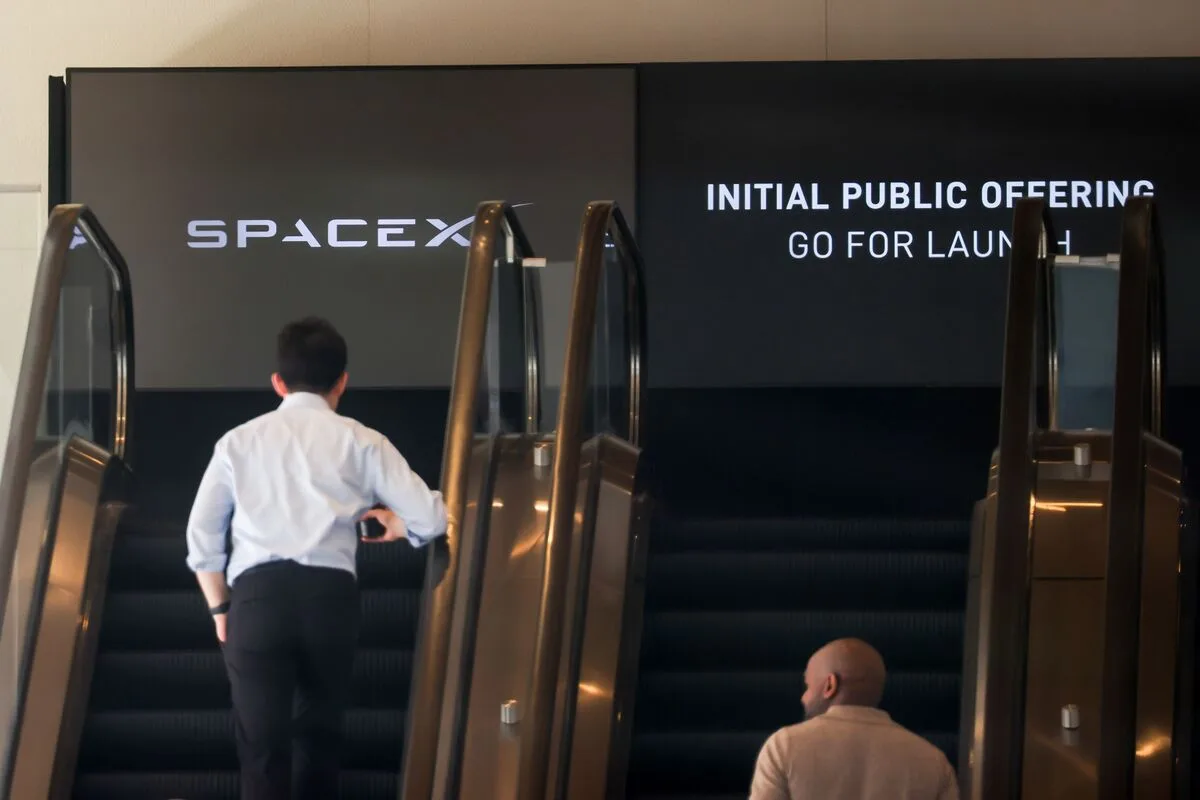
Image credit: Image via Source article. Used under fair use for news commentary. · source
Most of the coverage I've seen on the SpaceX IPO has been, well, financial coverage. Oversubscribed by multiple times, institutional investors piling in, potentially record-setting debut. Fine. Bloomberg has been all over the numbers.
But here's what nobody's really talking about: this isn't just a rocket company going public anymore.
When I was at Kuka, we watched Tesla's manufacturing ambitions with a mix of amusement and genuine concern. Amusement because, look, automotive robotics is hard and they were making rookie mistakes. Concern because they had the capital to iterate faster than anyone we'd ever seen. Now SpaceX, which Bloomberg notes is now described as a "rocket, satellite and artificial intelligence firm," is about to have access to public market capital at a scale that should make every industrial robotics company nervous.
The Optimus Question
I called an old colleague at Fanuc last week. He's been tracking Tesla's humanoid program closer than I have. His take: the Optimus robots are still years from being production-ready for anything serious. Maybe he's right. But the thing that keeps me up at night (not literally, I'm too old for that) is what happens when you combine SpaceX's manufacturing discipline with Tesla's robotics ambitions and a basically unlimited checkbook.
The IPO reportedly closed orders on Wednesday, and demand was for multiple times the shares available. That's a lot of money about to flow into Musk's ecosystem.
Here's what matters for our industry:
Related coverage
More in Industrial
Two new papers on robotic fault tolerance got some attention this week. Most writeups missed the point entirely, and as someone who spent years watching robots fail in ways nobody planned for, that bothers me.
Robert "Bob" Macintosh · 1 hour ago · 5 min
A cluster of arXiv preprints published this week attack the same core problem: robots that look competent in the lab but fall apart when conditions change.
James Chen · 1 hour ago · 6 min
Taiwan's BizLink just agreed to buy Blackstone's Interplex Datacom unit for $850 million, and if you're not paying attention to connector supply chains, you probably should be.
Robert "Bob" Macintosh · 5 hours ago · 4 min